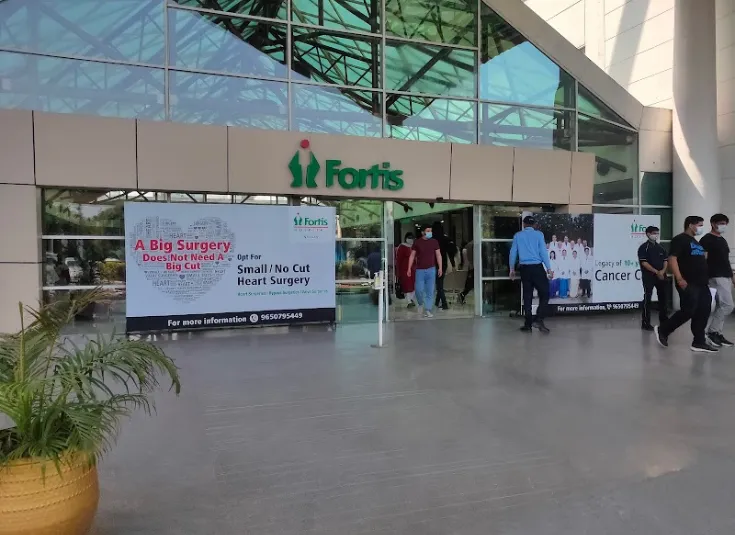
Dr. Abhishek Verma, M.B.B.S., M.D., D.N.B. (Internal Medicine), is a distinguished physician based in Delhi, India, with over seven years of clinical experience. He completed his M.B.B.S. and M.D. in Internal Medicine at Maulana Azad Medical College and earned his D.N.B. in Internal Medicine from the National Board of Examinations in Medical Sciences. Dr. Verma has held key positions such as Attending Consultant at Fortis Hospital, Noida, and Aarogya Hospital, Delhi, and Senior Resident at Lok Nayak Hospital. His expertise spans internal medicine, emergency medicine, and hematology, with a proven track record of diagnosing and treating a wide range of conditions, including complex cases and severe COVID-19 patients. Dr. Verma is an articulate communicator and a dedicated educator, having led clinical case discussions and conducted OSCE and clinical exams for medical students. His research contributions include multiple publications in esteemed medical journals, and he has presented his work at major conferences. A life member of The Association of Physicians of India, Dr. Verma continues to advance his knowledge and skills through continuous professional development.

- Call Us: 9654577602
- Email Us: abhishek.verma272124@gmail.com
Partner in your families wellness
Personalized family medicine services

Leading the way to better health
Holistic care and expert treatment plans

Discover exceptional family medicine care
Enriching lives through dedicated care




Expert Internal Medicine Specialist in Delhi: Trusted Care for Acute and Chronic Conditions
About Us
Dr. Abhishek Verma is a renowned internal medicine specialist based in Noida and NCR, with over seven years of clinical experience. He excels in diagnosing, treating, and managing a wide range of acute and chronic medical conditions, including diabetes, hypertension, thyroid disorders, infectious diseases, and arthritis. Dr. Verma is proficient in emergency medicine, ensuring rapid assessment and stabilization of patients in critical conditions.
His expertise extends to hematology, where he focuses on blood disorders such as chronic leukemia, multiple myeloma, and lymphoma, and he is skilled in administering chemotherapy. Dr. Verma's clinical skills include performing diagnostic procedures like lumbar puncture, pleural/ascitic tap, central venous catheter insertion, and bone marrow aspiration/biopsy.
During the COVID-19 pandemic, Dr. Verma played a pivotal role in managing severe cases in both medical wards and intensive care units. He is dedicated to patient education and counseling, providing clear and compassionate explanations of disease processes, treatment plans, and preventive measures. Known for his high-quality, knowledgeable medical care and respectful communication skills, Dr. Verma is a trusted healthcare provider for a diverse patient population in Delhi.
His commitment to high-quality, knowledgeable medical care, combined with his respectful and articulate communication skills, makes him a trusted and reliable healthcare provider for a diverse patient population in Delhi.
7+
Years of Experience
1K+
Rounded care for Complex Cases
10K+
Covid Cases Managed
Our Specialization
Internal Medicine

Family Medicine

Lifestyle Modification

Infectious Diseases

Allergy and immunology

Diabetology
Our Healthcare Services
Diseases Prevention and Management
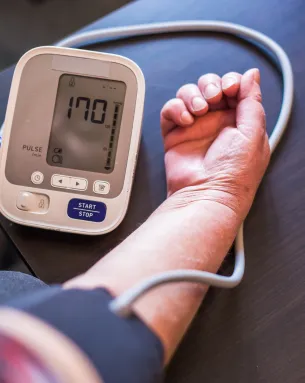



Dr. Abhishek Verma
Diabetologist, Infectious Disease Physician, Internal Medicine
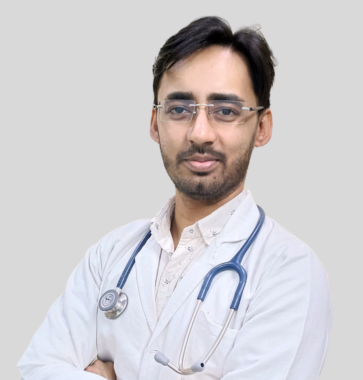
- MBBS, MD, DNB ( Internal Medicines)
- 7.0 Years Of Experience
- Licence No. DMC-16896
- Call
- Video Call
- In person
Testimonials
What our Patients says about us
Very good doctor, polite & calm. Understand patient calmly and treat with smille..

akhil kumar
He had been supportive during the mom's treatment in second COVID wave. He is focused on patient well-being with minimal medication. His advise helps in recovery without unnecessary consultation visit. While the waiting time for appointments was a bit long, the quality of care he provides makes up for it. I highly recommend considering Dr. Verma as your primary family doctor or seeking a second consultation from him for patient-centered care.
vaibhav gupta
Media Pictures









Frequently Asked Questions
Know your better doctor
What are the common adult vaccines?
Common adult vaccines recommended by internal medicine specialists include influenza (flu), pneumococcal vaccines (protect against pneumonia), tetanus-diphtheria-pertussis (Td/Tdap), and herpes zoster (shingles). These vaccines are crucial for preventing serious illnesses and complications, particularly in older adults or those with chronic conditions. The influenza vaccine is recommended annually due to virus strain changes. Pneumococcal vaccines reduce the risk of pneumococcal disease, which can cause pneumonia and meningitis. Td/Tdap vaccines protect against tetanus, diphtheria, and pertussis, while the herpes zoster vaccine prevents shingles and a painful rash. Regular vaccination helps maintain optimal health and prevents the spread of contagious diseases.
How does yoga and exercise help reduce hypertension?
Yoga and regular exercise, as recommended by internal medicine specialists, play crucial roles in reducing hypertension risk. Yoga combines physical postures, breathing exercises, and meditation to promote relaxation and lower stress hormones, which can help decrease blood pressure. Meanwhile, aerobic exercise, such as brisk walking or swimming, improves cardiovascular health, leading to better blood flow and reduced hypertension risk. Both yoga and exercise contribute to weight management and overall well-being, addressing key factors that contribute to hypertension. Integrating these practices into daily routines can significantly improve blood pressure control and overall cardiovascular health.
Who is at risk of developing diabetes?
Individuals at risk of developing diabetes, as noted by internal medicine specialists, include those with a family history of diabetes, sedentary lifestyles, obesity, and poor dietary habits. Additionally, people over 45 years old, especially those of Hispanic, African American, Native American, or Asian descent, face higher risks. Gestational diabetes during pregnancy also increases susceptibility. Other risk factors include high blood pressure, abnormal cholesterol levels, and polycystic ovary syndrome (PCOS). Regular monitoring, healthy lifestyle choices including diet and exercise, and early detection through screenings are essential in managing and mitigating these risks.
What is a diabetic foot ulcer, and how does it develop?
A diabetic foot ulcer, as explained by internal medicine specialists, is a chronic wound that develops on the feet of individuals with diabetes. It typically arises due to poor circulation, nerve damage (neuropathy), and susceptibility to infections associated with high blood sugar levels. These ulcers often form on pressure points of the foot and can worsen without proper care, potentially leading to severe infections or even amputation if untreated. Management involves meticulous wound care, controlling blood sugar levels, and addressing contributing factors like peripheral artery disease. Regular foot examinations are crucial for early detection and prevention.
What measures can be taken to prevent infectious diseases?
Internal medicine specialists recommend several measures to prevent infectious diseases. Firstly, practising good hygiene by washing hands frequently with soap and water or using hand sanitiser helps reduce the transmission of pathogens. Vaccination against common infectious diseases like influenza, pneumonia, and hepatitis is essential. Additionally, avoiding close contact with sick individuals, covering coughs and sneezes, and maintaining a healthy lifestyle with proper nutrition and adequate sleep supports a robust immune system. Finally, staying informed about local health advisories and following guidelines during outbreaks are crucial for preventing the spread of infectious diseases.
How does diet contribute to the development of cardiovascular disease?
Diet plays a significant role in the development of cardiovascular disease, as highlighted by internal medicine specialists. High intake of saturated and trans fats, cholesterol, and sodium can lead to elevated blood cholesterol levels and hypertension, increasing the risk of heart disease and stroke. Conversely, diets rich in fruits, vegetables, whole grains, and healthy fats like omega-3 fatty acids can lower cholesterol levels, reduce inflammation, and improve heart health. Maintaining a balanced diet that limits processed foods, sugars, and excessive salt intake while promoting nutrient-dense foods is crucial in preventing cardiovascular disease.
What dietary recommendations are advised for hypertension?
Dietary recommendations for hypertension focus on reducing sodium intake, typically to less than 2,300 milligrams per day (and even lower for some individuals). Emphasizing a diet rich in fruits, vegetables, whole grains, and low-fat dairy products is beneficial. Potassium-rich foods such as bananas, spinach, and sweet potatoes can also help lower blood pressure. Limiting alcohol consumption and avoiding high-fat and processed foods is crucial. The DASH (Dietary Approaches to Stop Hypertension) diet, which includes these principles, has been shown to effectively manage blood pressure and reduce the risk of cardiovascular disease when combined with lifestyle changes.
What are the complications related to uncontrolled diabetes?
Complications related to uncontrolled diabetes include nerve damage (neuropathy), which can lead to numbness or pain in the extremities, and eye damage (retinopathy) which may result in vision impairment or blindness. Kidney damage (nephropathy) can progress to kidney failure requiring dialysis or transplantation. Poor circulation increases the risk of foot ulcers and amputation. Cardiovascular problems such as heart attack, stroke, and high blood pressure are also common. Additionally, diabetes increases susceptibility to infections and slows wound healing. Proper management, including blood sugar control and lifestyle adjustments, is crucial in preventing these complications.
What are the services provided by Dr Abhishek Verma?
Dr. Abhishek Verma is a renowned internal medicine and family medicine specialist in Noida. He provides a range of services including management of hypertension, diabetes, family medicine, infectious disease, hepatitis, joint pain, thyroid disorder, anaemia and adult vaccination. Pre-book an appointment with Dr. Abhishek Verma internal medicine and family medicine specialist for online consultations or hospital visits, as convenient to you, by clicking on the Book Appointment button on this website.
How can I book an appointment with Dr. Abhishek Verma?
Pre-book an appointment with Dr. Abhishek Verma internal medicine and family medicine specialist for online consultations or hospital visits, as convenient to you, by clicking on the Book Appointment button on this website.
Location & Location Map
 Address :B-22, Rasoolpur Nawada, D Block, Sector 62, Noida, Gautam Buddha Nagar 201301, Uttar Pradesh


Working Hours
MONDAYClosed
TUESDAYClosed
WEDNESDAYClosed
THURSDAYClosed
FRIDAYClosed
SATURDAYClosed
SUNDAYClosed
Contact Us
What We Offer
Contact Us
- Email: abhishek.verma272124@gmail.com
- Phone: 9654577602
Social Media connect:


Website Powered by icareheal